
Aikido for Beginners
Overview
Six-Week Series
Starts November 7
Saturdays 9:00 -10:15 AM
$135
Split into two monthly payments of $67.50
Offer Includes:
• Six weeks of Intro Series Classes
• Unlimited General Classes at the Dojo
*Memberships can be canceled at any time
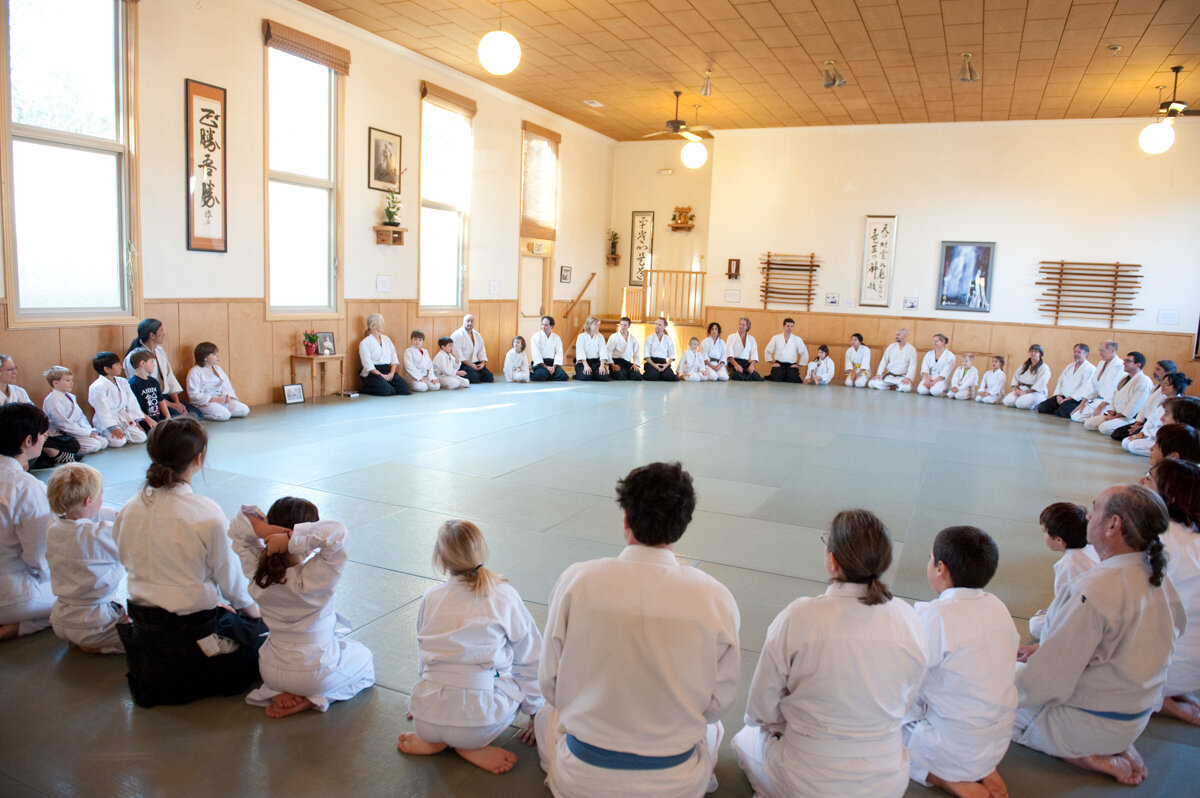
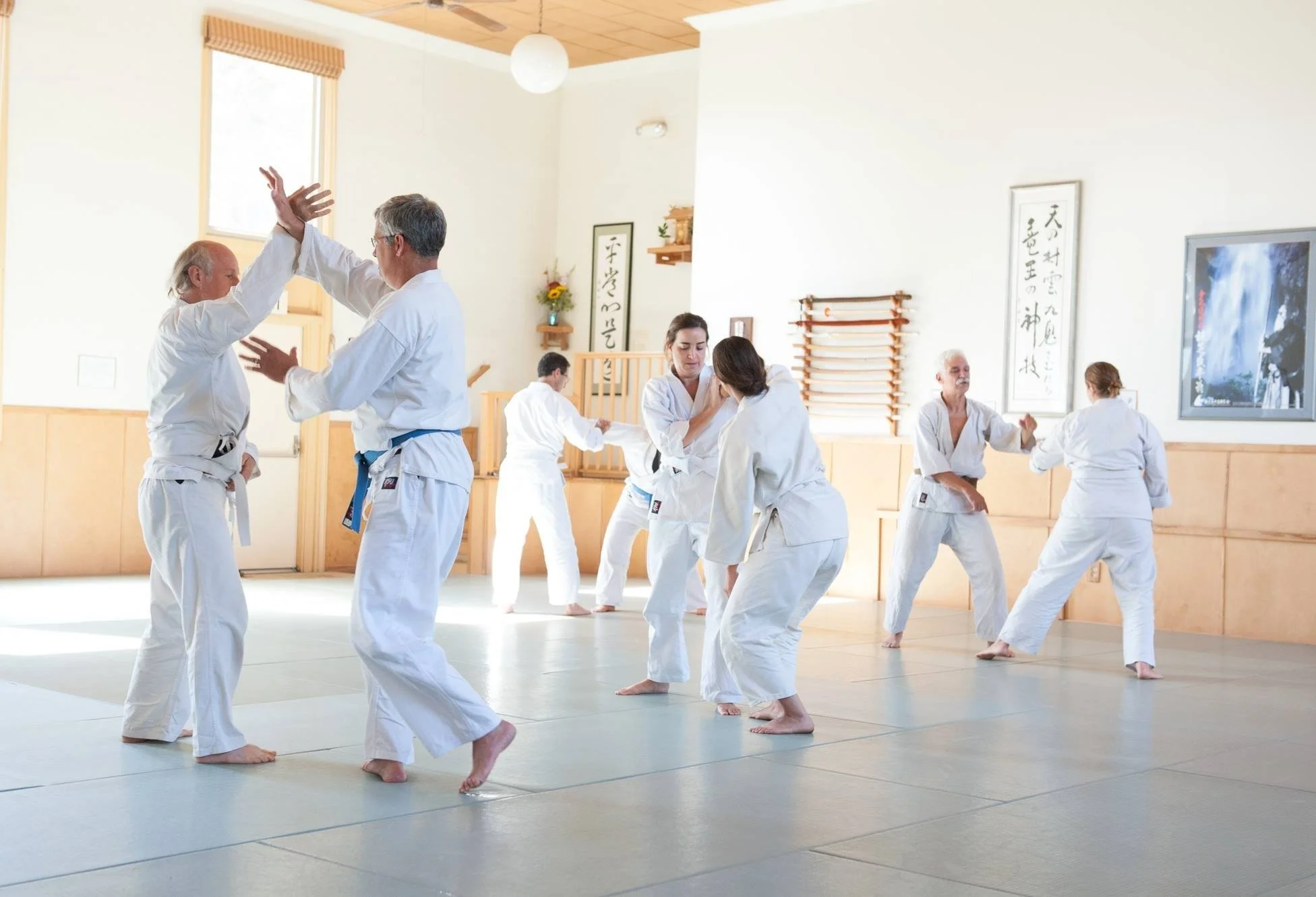
Aikido for Beginners is a six-week introductory series designed to give new students a strong and supportive start to their Aikido practice.
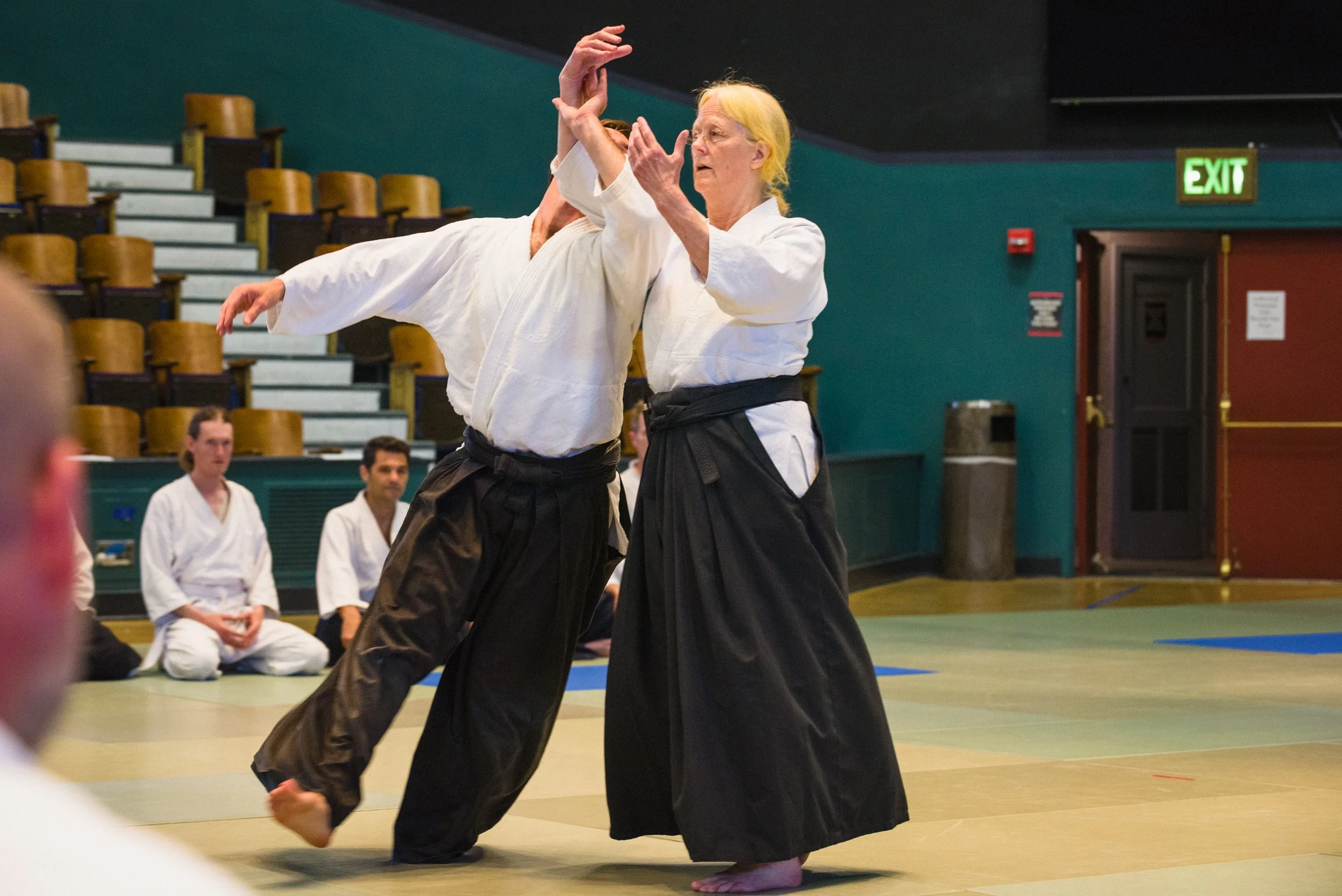
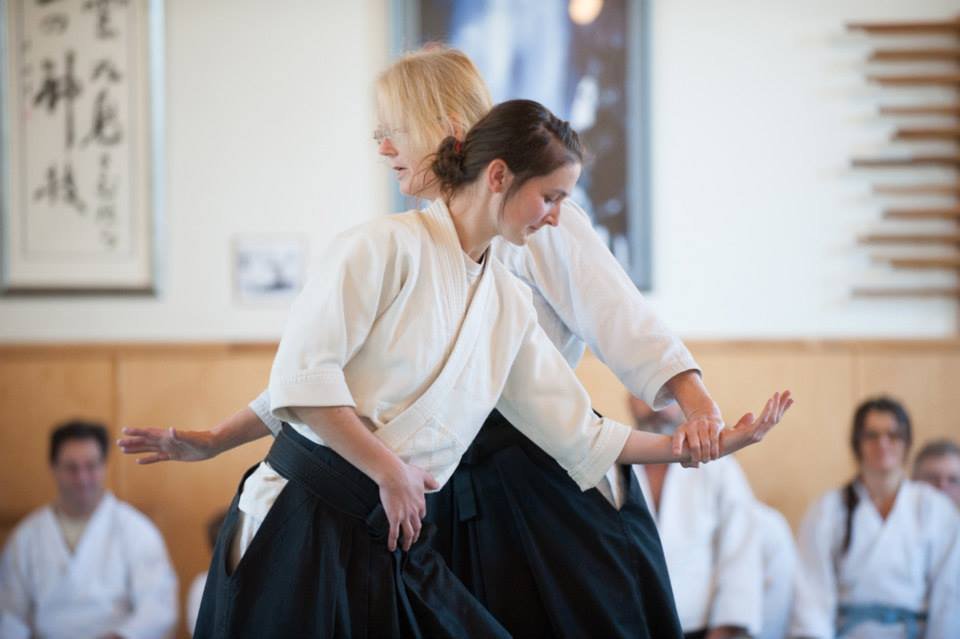
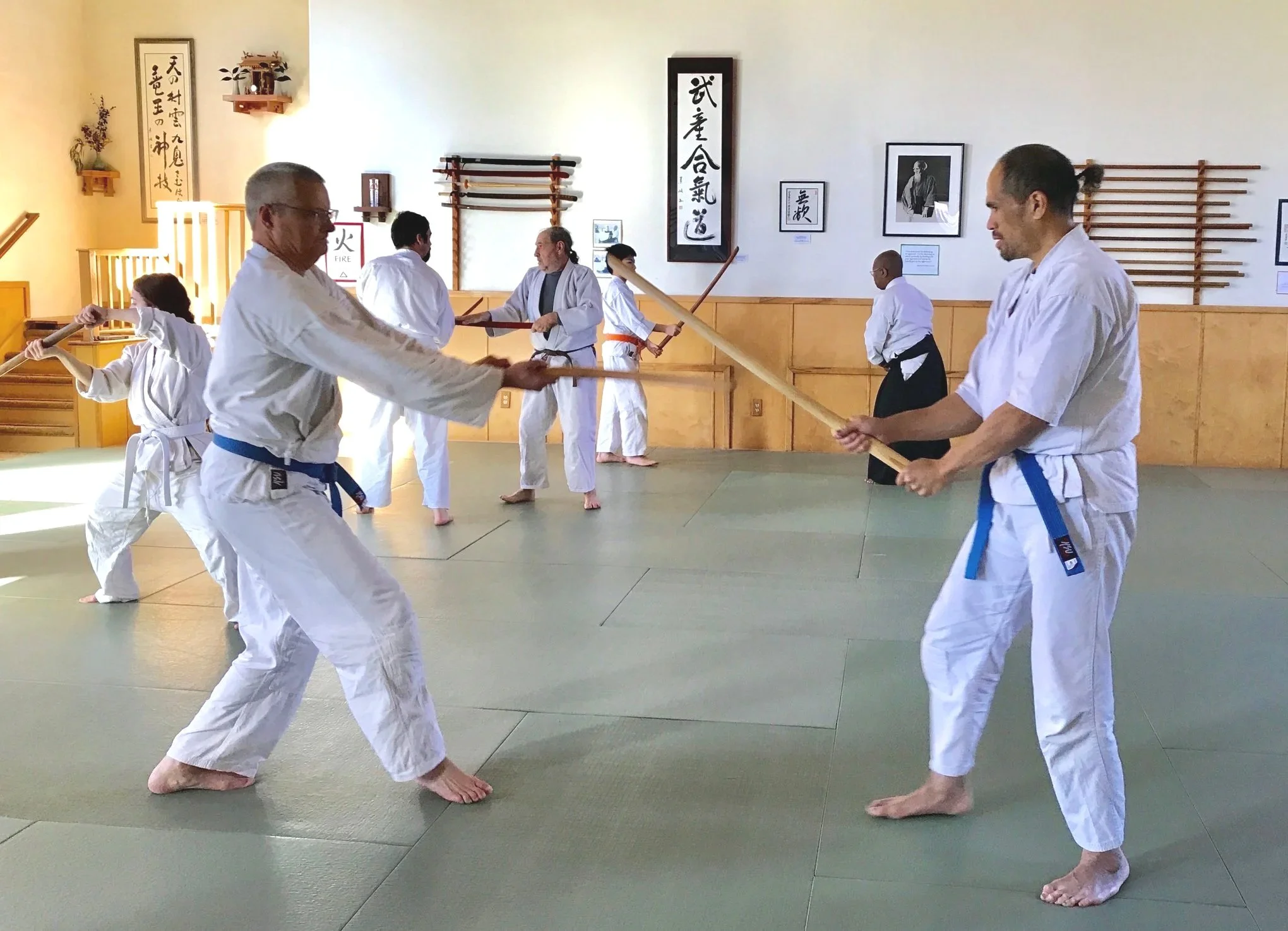
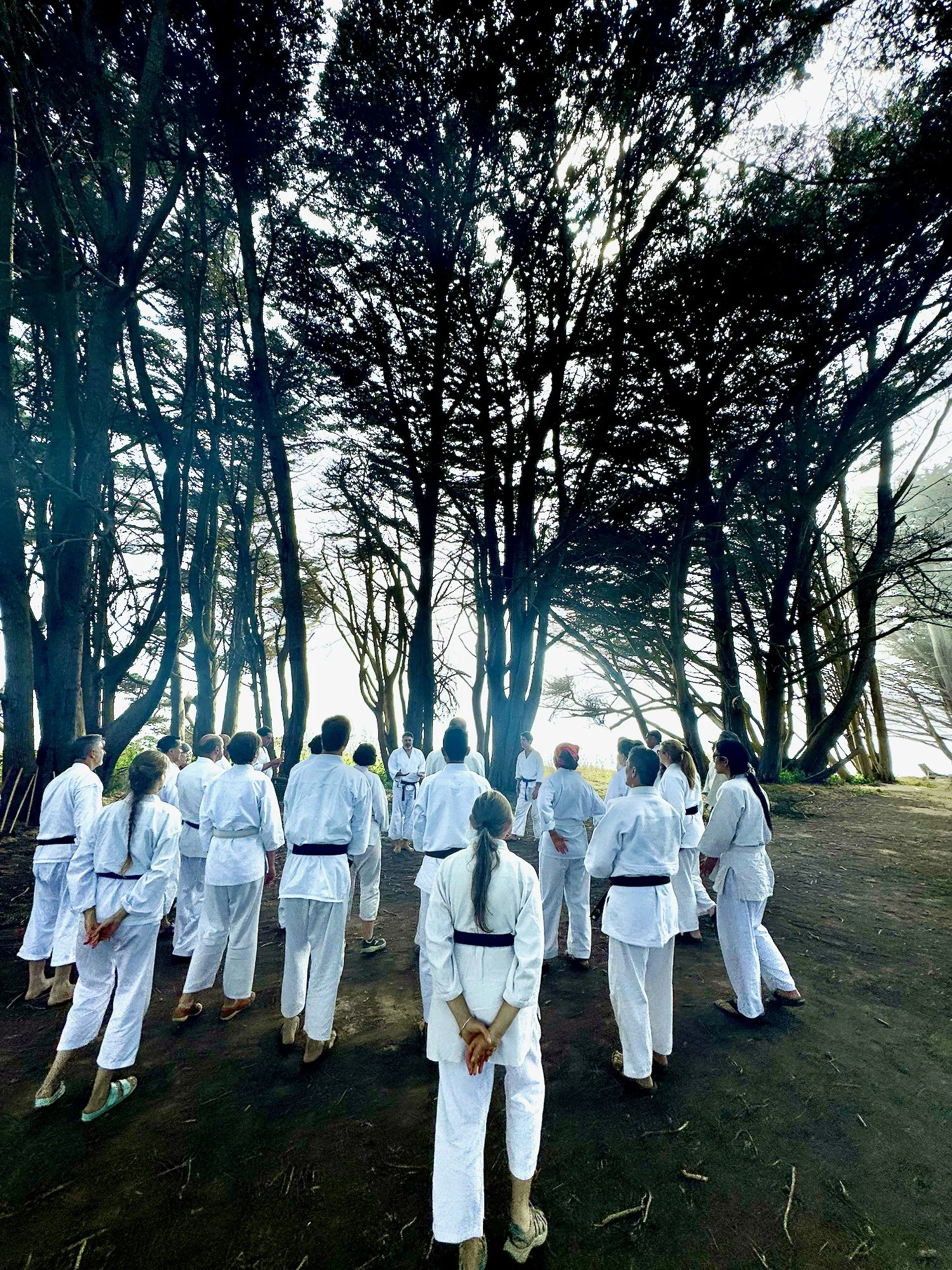
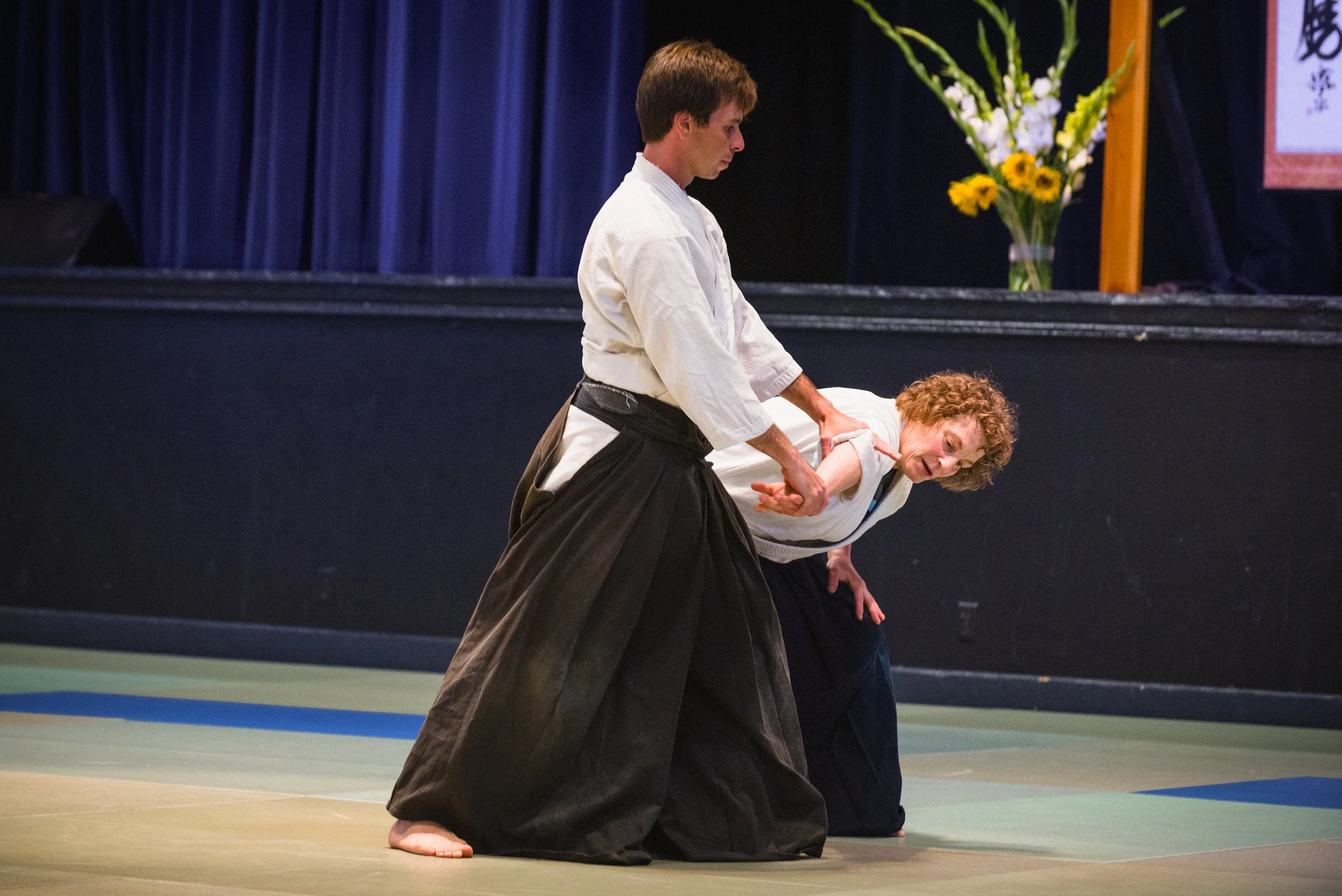
Through a progressive series of classes, you'll explore Aikido's basic movements and techniques, learn safe falling and rolling methods, become familiar with traditional dojo etiquette, and begin discovering how Aikido can help you blend, flow, center under pressure, and expand your awareness.
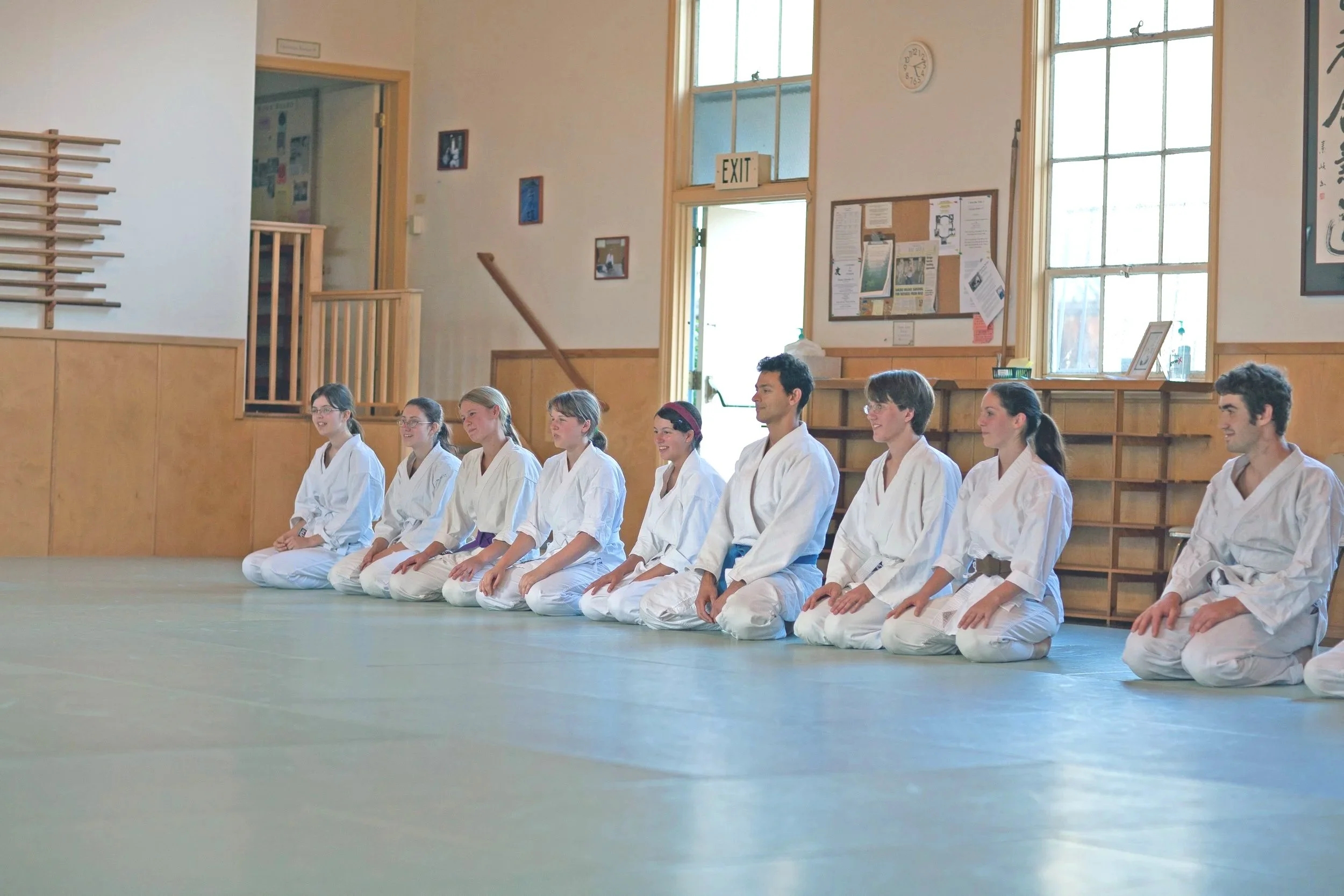
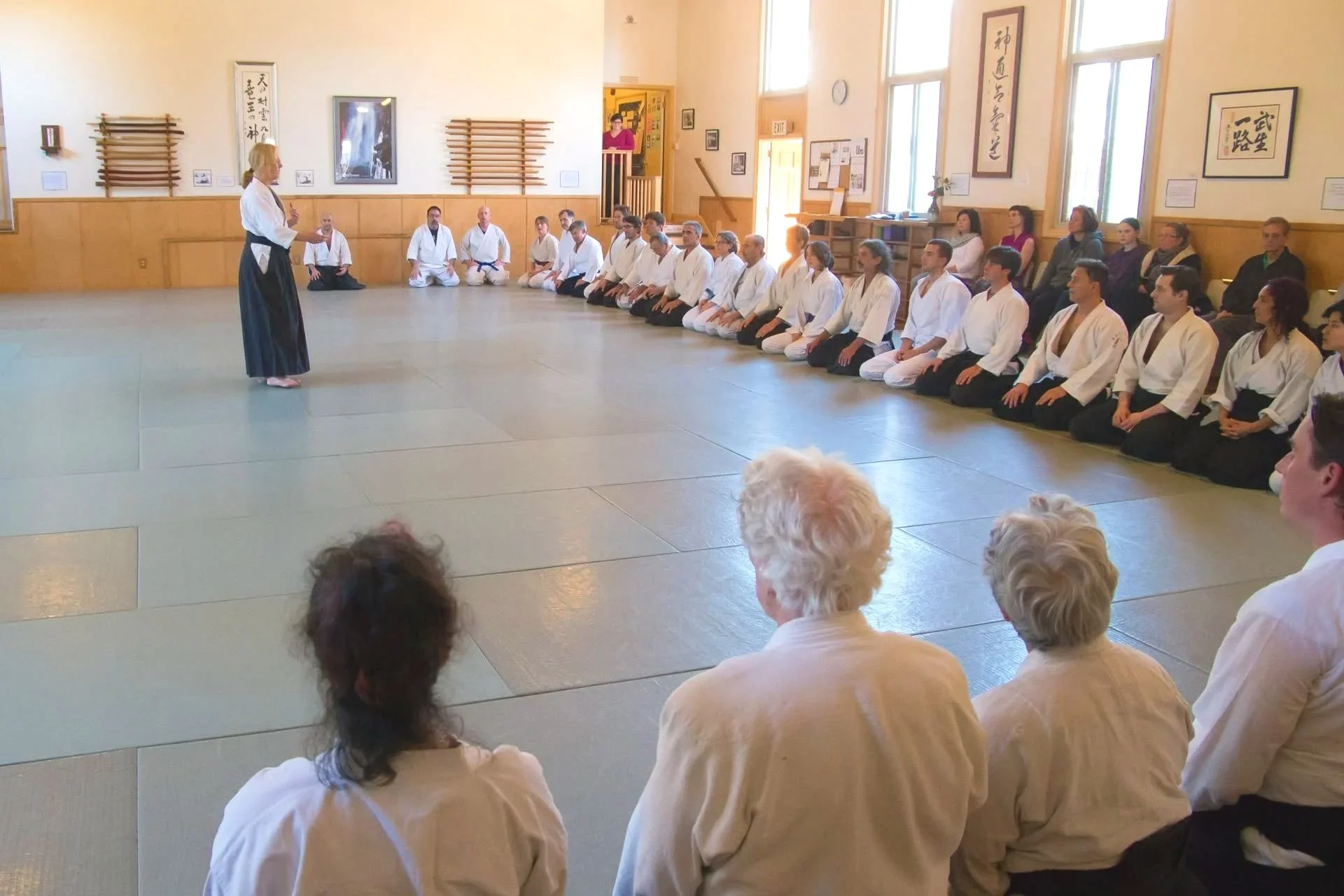
Aikido is practiced cooperatively rather than competitively. Each person is encouraged to learn at their own pace, with guidance from experienced instructors in a supportive and welcoming dojo environment.
Aikido for Beginners is our recommended starting point for students who are new to Aikido. If the series schedule doesn't work for you, you're still welcome to begin your practice in our regular Adult classes.




50% membership discount*
Join the Aikido for Beginners series to receive a 50% discount on your first two months (adult memberships only). Discounted membership includes:
Unlimited access to Adult Aikido classes every day
The six-week Aikido for Beginners series
Use this intro series as a foundation for your practice, while training in any of our other classes that fit your schedule.
*After your first two months, your membership continues at the regular adult rate of $135/month for unlimited classes. You may cancel your membership at any time.
Can't join this time?
Aikido for Beginners is our recommended starting point, but it is not a prerequisite for joining the dojo.
If the series doesn't work with your schedule, you are welcome to begin in our regularly scheduled Adult classes. Our instructors are prepared to help new students find an appropriate way to participate.
-
Working at your own pace.
-
Practice connection rather than opposition.
-
How to make space while remaining balanced and relaxed.
-
Drop in and practice — no new material.
-
Receiving a technique is participatory, not a practice in survival.
-
Practice coordinated, fluid movement, not muscular effort.
-
You don’t need to know everything to continue.
Intro Schedule
Intro Series Instructors
-

David Sofen
Rokudan (6th degree black belt)
View Bio -

Jeanne Sofen
Godan (5th degree black belt)
View Bio -

Nico Secunda
Yondan (4th degree black belt)
View Bio -

Jeff Reed
Sandan (3rd degree black belt)
View Bio -

Chris Dailey
Sandan (3rd degree black belt)
View Bio -

Greer Murphy
Intro Series Assistant
View Bio -
Juliano Calil
Nidan (2nd degree black belt)
View Bio -

Cid Pearlman
Sandan (3rd degree black belt)
View Bio

“Aikido is not a technique to fight with or defeat an enemy. It is a way to reconcile the world and make humanity one family.”
- Morihei Ueshiba, O-Sensei, founder of Aikido
Your Questions Answered
-
There is a parking lot behind the dojo building. It is small and can be difficult to maneuver in, so please be careful. To keep our limited space open for everyone to use, please do not park your car in non-designated parking places (in front of the planters, for example).
There is extra parking available at Mission Plaza, just one block from the dojo.
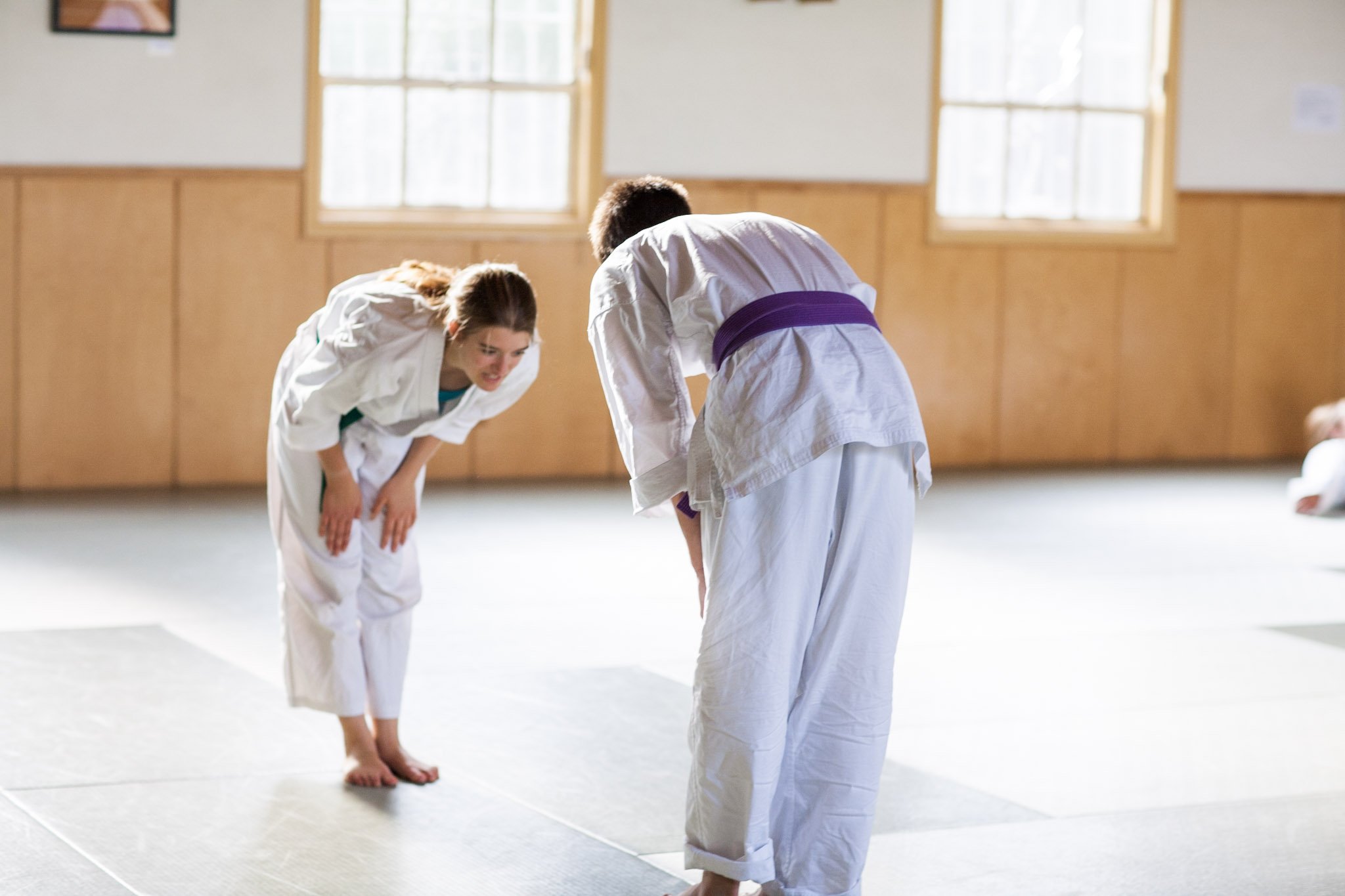
The entrance to the dojo is along the side of the building, adjacent to the parking lot. You may enter through the upper or lower doors and traditionally a standing bow is done when entering or leaving the dojo and when stepping on and off the mat.
-
Please wear comfortable workout clothes to your first class. We do not recommend wearing shorts as a layer of fabric helps protect the knees during falling and rolling practice.
You will see others wearing traditional training uniforms, called keiko gi, but it is not necessary to wear one right away.
-
Much of an AIkido class consists of paired partner practice. After the Sensei demonstrates a technique, students should bow and say onegaishimasu, then quickly bow to one of the people sitting next to them and begin practice.
It’s best to train with a wide variety of partners. Everyone moves differently, and students learn how to do a technique with people of all shapes and sizes.
“Be grateful even for hardship, setbacks, and bad people. Dealing with such obstacles is an essential part of training in the Art of Peace.” – O-Sensei
Having said that, if you find it onerous to train with a specific partner, you are not required to train with them. Please inform the instructor if a situation like this arises.
“The teachings of your instructor constitute only a small fraction of what you will learn. Your mastery of each movement will depend almost completely on your earnest practice.” ~ from O-Sensei’s “Rules for the Practice of Aikido”
-
Please remove your shoes upon entering the dojo and store them neatly in the shoe racks or under the benches. This is a traditional part of Japanese etiquette. It helps to keep our dojo, especially the mat, a clean and safe place to train.
It is important that students arrive at the dojo wearing shoes. First and foremost, this is a safety issue -- there may be sharp objects or fragments on the parking lot or on the sidewalk. Arriving barefooted also tracks in dirt, resulting in black footprints on the mat, and is disrespectful of the traditional etiquette we practice here.
-
Aikido training involves close contact between students and with instructors. Students who are sick with a cold or flu should not train.
Please arrive with clean clothes and wash hands, feet, and face before training.
Please keep nails pared back; sharp or long fingernails (or toenails) could scrape or cut others while training. There are nail trimmers in the first aid cabinet in the front entrance way near the 3 bathrooms if needed.
-
The course introduces aikido as a physical practice built on posture, relaxation, extension, connection, balance taking, and flow, and as a practice of communication and consent between training partners. Students learn three foundational techniques (ikkyo, kotegaeshi, iriminage), the footwork and turning that underlie them (hanmi, the two-step turn, kaiten, tai no henko), and a range of ways to receive technique safely.
Class 1 - November 7th - Belonging and Safety: working at your own pace.
Class 2 - November 14th - Connection: practice connection rather than opposition.
Class 3 - November 21 - Move Off the Line: how to make space while remaining balanced and relaxed.
Optional Open Mat - November 28th
Class 4 - December 5th - Receiving: receiving a technique is participatory, not a practice in survival.
Class 5 - December 12th - Flow: practice coordinated, fluid movement, not muscular effort.
Class 6 - December 19th - Integration & Continuing Practice: you don’t need to know everything to continue.
Roll onto the mat
Sign up for your monthly membership before your first class, and the six-week series is included